


REMEMBRANCE – ONE TEDDINGTON VETERAN’S VIEW
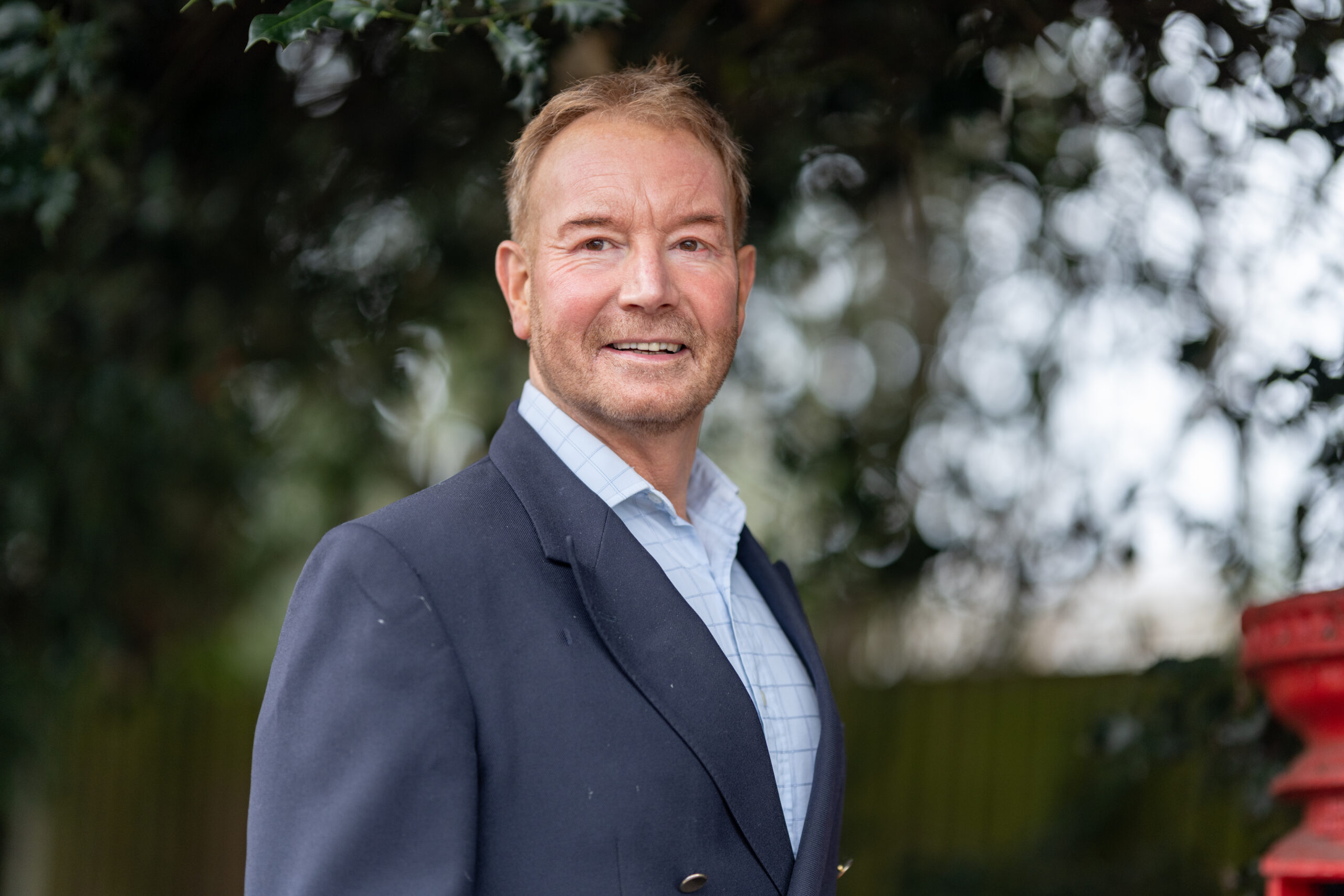
BY NIGEL PHILPOTT (Brigadier, Retired)
For me, Remembrance Sunday is first and foremost about remembering those who gave their lives in the service of our country.
It started after the First World War, when the scale of human losses was beyond comprehension, leading to a determination that those who had sacrificed their lives should never be forgotten.
Laurence Binyon’s words, “At the going down of the sun and in the morning, We will remember them,” still say it better than most of us could today.
It’s not about celebrating war or victory, but remembering the people involved, what they went through, the sacrifices they made and the families they left behind.
I think it’s also worth remembering just how many people played their part, and that it wasn’t only men fighting on the front line.
Women served in the Armed Forces, operated anti-aircraft guns, undertook incredibly dangerous work with the Special Operations Executive, and worked in factories making munitions, uniforms and protective clothing.
There were also the merchant seamen, miners, shipyard and railway workers, the emergency services and countless others who kept the country going.
Many lost their lives, including those killed during the Blitz and other attacks on the home front.
Churchill made the point well when he said the miners could look back with just as much pride and say, “We cut the coal.”
And we have our own connection here in Teddington. Bushy Park was home to Camp Griffiss, where British and American military personnel and civilians worked together at Eisenhower’s headquarters in the run-up to D-Day.
It’s a reminder that the war effort wasn’t just something happening overseas; people here at home played their part too, and we remember them as well.
As a veteran, alongside my comrades and family — some alive, some no longer with us — Remembrance is personal.
It’s not just about the two World Wars, but also those who served alongside my Mother in Malta (as a Wren), my uncles in Aden (now Yemen), the Falklands, and those I have been fortunate enough to serve alongside in Northern Ireland, Bosnia and Afghanistan.
It’s particularly about remembering friends and comrades who didn’t come home, those who did but were affected physically or mentally by what they experienced, and the families who continue to live with the consequences.
Looking at what’s happening in Ukraine and the threat Russia poses to our future security, war isn’t something confined to history.
The need to defend ourselves, our allies and the freedoms we enjoy is every bit as relevant today.
The words “Lest we forget” mean more than looking back. They’re a sombre reminder of why we all need to be prepared, why peace is worth protecting and why we should never take it for granted.
Nigel Philpott Brig (Retd)