



BUSHY PARK RECEIVES TOP GREEN FLAG AWARD
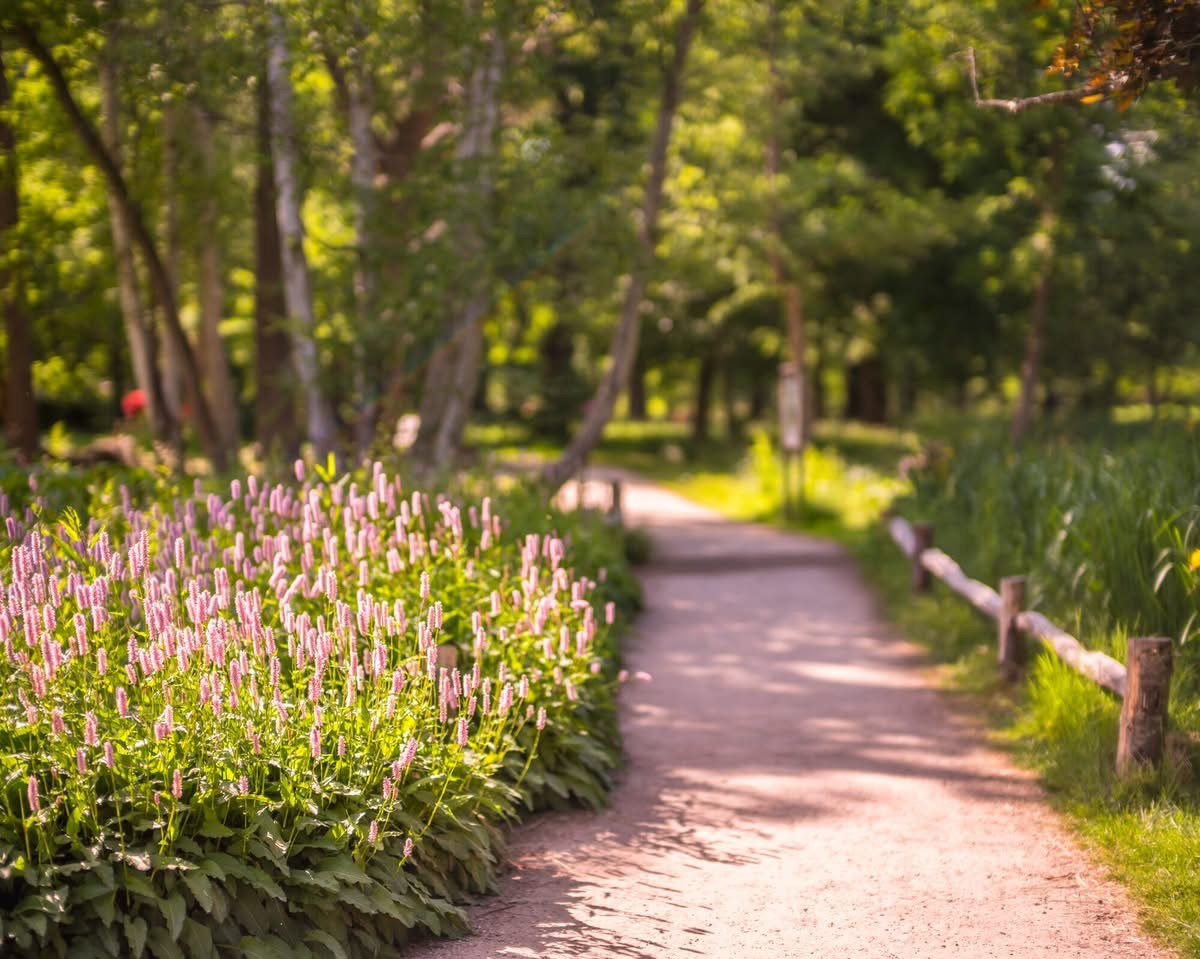
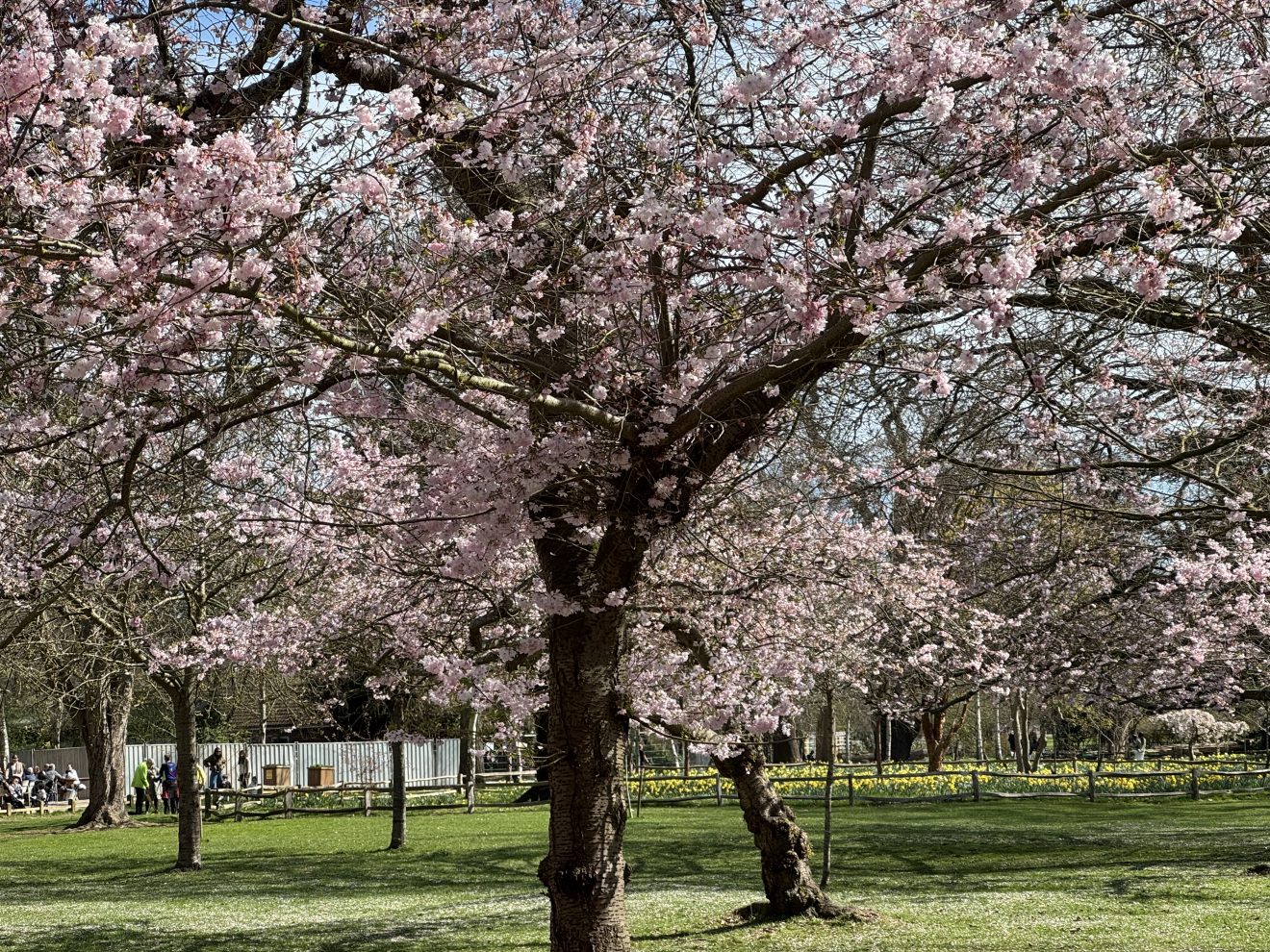
Bushy Park has been awarded the highest possible score (80+) in this year’s prestigious Green Flag Award assessments, it has been announced.
A spokesperson said: “We are delighted to share that Bushy Park has achieved the highest possible overall score (80+) in this year’s Green Flag Award assessments, earning both the Green Flag Award and Green Heritage Site Accreditation.
“These awards recognise the very highest standards in the management of parks and green spaces, and this achievement reflects the dedication, passion and expertise of our teams who care for these extraordinary places every day.
“We’re incredibly proud of everyone involved in helping these iconic landscapes thrive for millions of visitors while protecting their heritage and wildlife for future generations.”
Chair of Friends of Bushy and Home Parks, Colin Muir said: “Bushy Park has just been awarded the highest possible results in the latest Green Flag and Green Heritage assessments.
“Phil Edwards, the Park Manager, describes these as the best overall results achieved in the past six years of his tenure.
“The results are a testament to the park’s team and to Phil’s leadership. The Friends’ trustees and membership send our warmest congratulations (especially appropriate during this hot weather) to Phil and his team.”
TEN THINGS YOU MIGHT BE INTERESTED IN ABOUT BUSHY PARK
- It welcomes around 2.4 million visitors every year.
Bushy Park is one of the UK’s most popular historic parks, attracting walkers, cyclists, runners, wildlife enthusiasts and families throughout the year. - It’s enormous.
Covering just over 1,000 acres (about 445 hectares), Bushy Park is the second largest of London’s eight Royal Parks, behind Richmond Park. - It has a herd of about 320 wild deer.
The park’s famous red and fallow deer have roamed here for centuries. They descend from the royal hunting herds introduced during the reign of Henry VIII. - It contains more than 200 veteran trees.
Over 200 veteran trees have been identified, including 94 ancient trees. The park is especially noted for its magnificent old oaks, limes, sweet chestnuts, horse chestnuts and ancient hawthorns. - Around 20 different tree species grow here.
Besides oak and lime, you’ll find sweet chestnut, horse chestnut, hawthorn, hornbeam, beech, birch, willow and many ornamental species, creating a remarkably diverse landscape. - Its flowers are surprisingly rare.
Bushy Park’s protected acid grassland supports wildflowers including harebells, sheep’s sorrel, mouse-eared hawkweed and heath bedstraw. In spring and summer these attract bees, butterflies and other pollinators. - It’s a Site of Special Scientific Interest (SSSI).
The park received this status because of its nationally important habitats, ancient trees and rare insects, placing it among England’s most valuable wildlife sites. - Wildlife is incredibly diverse.
As well as deer, you may spot kingfishers, grey herons, woodpeckers, bats, hedgehogs, grass snakes, newts, stag beetles, and many species of butterflies and dragonflies. The Longford River also supports fish such as chub, roach, bream and eels. - Some ant hills are over 200 years old.
The park’s distinctive grassy mounds are built by yellow meadow ants. These long-lived colonies are an important sign of healthy acid grassland and are protected. - It has royal origins stretching back nearly 500 years.
Bushy Park became a royal hunting park under Henry VIII in the 16th century. Today it still retains grand features such as Chestnut Avenue, designed by Sir Christopher Wren, and the beautiful Diana Fountain.